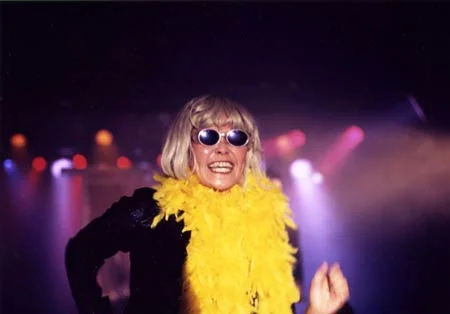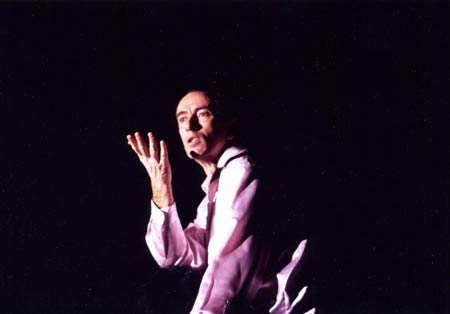

DasSHOKU TeaParTEA! In Development
DasSHOKU TeaParTEA! will be 5th DasSHOKU Butoh cabaret series since 2012. Smashing together Yumi’s recent practice in Japanese tea ceremony (PopUp Tearoom Series) with her signature, iconic Butoh Cabaret series, DasSHOKU Tea ParTEA! combines elements of Butoh, Cabaret, and spoken word, woven from Japanese tea ceremony into English tea party, from Brazilian samba into Okuni-Kabuki dance during the Edo period in early 1600.
DasSHOKU TeaParTEA! will be Yumi’s new full-length stage work. Smashing together Yumi’s recent practice in Japanese tea ceremony (PopUp Tearoom Series) with her signature, iconic Butoh Cabaret series, DasSHOKU Tea ParTEA! combines elements of Butoh, Cabaret, and spoken word, woven from Japanese tea ceremony into English tea party, from Brazilian samba into Okuni-Kabuki dance during the Edo period in early1600. The work channels the original world of Kabuki, which originally meant ‘bent’ or ‘out of the ordinary’, as well as irregular and asymmetrical aesthetics of classic Japanese tea ceremony.
The first stage of creative development was completed in June 2019, and the second stage development was in Jan/Feb 2020.
The work will take place in a richly visual world created by The Sisters Hayes (set & costume) and Jenny Hector (lighting), with sound design and original score by Dan West. Yumi’s magnetic physical performance is accompanied by an outstanding team of performers- Willow J Conway (Ms Burlesque 2016/17), Gregory Lorenzutti (Brazilian samba & contemporary) and Harrison Hall (cutting edge contemporary dancer). Dramaturgy is by leading theatre maker and performer, Maude Davey.
DasSHOKU Tea ParTEA! will be realised as a 75min tea ceremony/party, including actual Japanese tea ceremony with audience interaction. Short segment of varying rituals with dance, text, and song will unfold through the visually morphing set designs.
CREATIVE TEAM
Creator/director/performer: Yumi Umiumare
Co-creator/performers:
Willow J Conway, Gregory Lorenzutti, Harrison Hall,
Dramaturg: Maude Davey
Set and Costume Design: The Sisters Hayes
Lighting Design : Jenny Hector
Sound design : Dan West
Producer: Kath Papas Productions


See more Dance Work


ダッショク・シェイク!DASSHOKU SHAKE!
舞踏キャバレエ「DasSHOKU SHAKE!」は、2012年メルボルン・フリンジフェスティバルでプレミアを迎えた作品で、その2週間公演は満員御礼、また昨年、ダーウィン国際フェス ティバルにも招聘され、オーストラリア・グリーンルーム賞(INNOVATION:革新的な作品)と、メルボルン・フリンジフェスティバル賞を受賞した。
舞踏キャバレエ「DasSHOKU SHAKE!」は、2012年メルボルン・フリンジフェスティバルでプレミアを迎えた作品で、その2週間公演は満員御礼、また昨年、ダーウィン国際フェス ティバルにも招聘され、オーストラリア・グリーンルーム賞(INNOVATION:革新的な作品)と、メルボルン・フリンジフェスティバル賞を受賞した。
「ショックと癒しがクロスする」という謳い文句で、うみうまれを中心に公演を重ねてきた「脱・SHOKU(色)」舞踏キャバレエシリーズは、1999年か ら展開され、今作「DasSHOKU SHAKE!」は、その第4作目。観客をある時は混乱に、またある時は爆笑と感涙へと導いてゆく、混沌と調和の同居したその舞台創りには定評があり、過去 のシリーズ作品、「DasSHOKU Cultivation!」(劇団GUMBOとの共演、2003年)は大阪サンホールにて、また「DasSHOKU HORA!」(2006年)はシドニーオペラハウスでも大好評を博した。暗黒舞踏の抽象の世界に、神話的やおとぎ話、底抜けに明るく風刺の効いたキャバレ エとをミックスさせた「舞踏キャバレエ」スタイルには、オーストラリでも高い評価を受けている。
今作品「DasSHOKU SHAKE!」では、震災を通して考えさせられた人間の「ゆれ」「ぶれ」「ずれ」「はぐれ」が深いテーマになっている。揺れる感覚、ぶれる思考、はぐれる アイデンティティー、ずれるコミュニケーション、そして「シェイク」した大地から喚起された様々な思いを、色彩豊かなキャラクター達が、踊り、演劇、歌や 語りを通して問いかけてゆく。
オーストラリアで活躍するうみうまれの舞踏と、大阪パワー炸裂、劇団GUMBO抱腹絶倒のコメディに、多彩なるオーストラリア人のパフォーマンスが加わり、その絶妙なバランスが激発する文字通りの日豪合作狂想劇。
「自分の心を揺らす」(ヤイコシラムスイェ)とはアイヌの言葉で「考える」と解釈されるようで、この作品を通し、演者、観客共、いかに自分達の心をシェイク(揺らして)ゆけるかが、作品の深いテーマとなっている。
批評抜粋
“ビジュアル、コンセプト共に豊かなこの作品は、「クレマスター」(マシュー・バーニーによる独特なスタイルの映像作品)より も面白い。(中略)うみうまれは私たちの住むこの街に、途方もない、ひどく面白い、全く素晴らしい舞台を持ってきてくれた。ハローキティのおしめをする特 大の赤子、唄ううんこ頭にファースト・フードの踊り。何が一番混乱したかと言えば、何故この作品がメルボルン国際フェスティバルの目玉商品になっていない かということであった。” The Age (オーストラリア有力新聞)
“想像を絶するような見た目に抽象的な動き、素晴らしいコスチュームに騒々しい音楽、そして、死と笑いを共に誘発するかのような不快な絵画的イメージに感嘆する” Herald Sun (メルボルン新聞)
“この作品のメッセージ性には意味深く差し迫ってくるものがある。混沌とした私たちの存在そのものに対する静かな沈思黙想のようなものを呼び覚ませる。” The Peril Magazine (メルボルン雑誌)
公演記録
TimePlace
2014年東京、大阪公演ツアー、宮城県南三陸地方にてワークショップ(劇団ガンボとのコラボレーション)日豪交流基金助成
2013年ダーウィンフェスティバル
The Amphitheatre, George’s Green
2012年メルボルン・フリンジフェスティバル
2週間公演 @fortyfivedownstairs
3 Minute Video Highlights
DasSHOKU SHAKE! Aftershocks
DasSHOKU SHAKE! Short Clip from Fundraising Event 2014


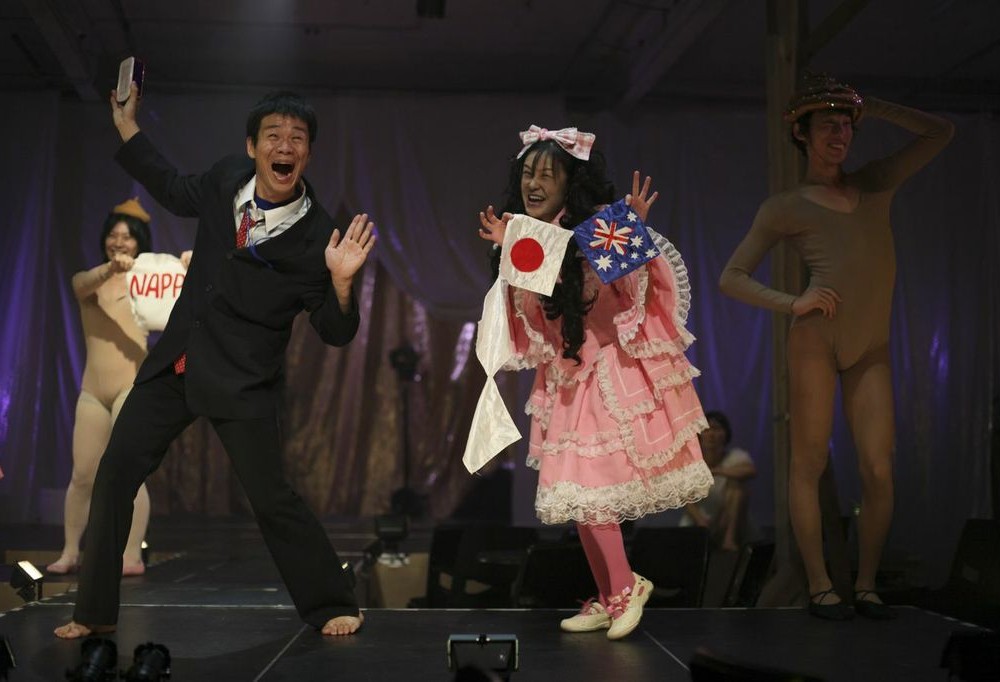
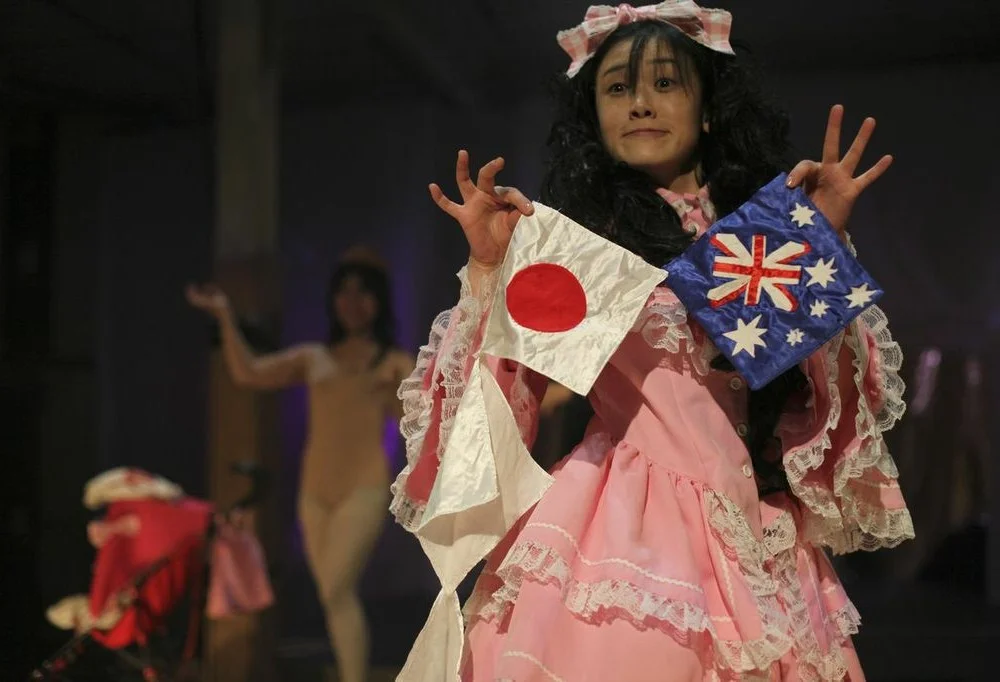


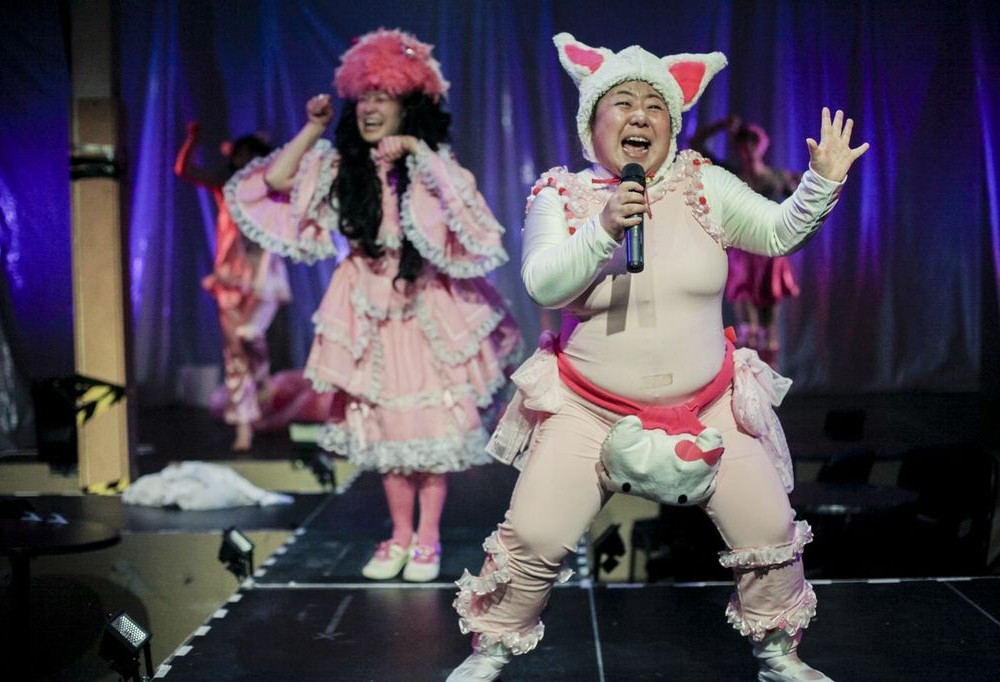


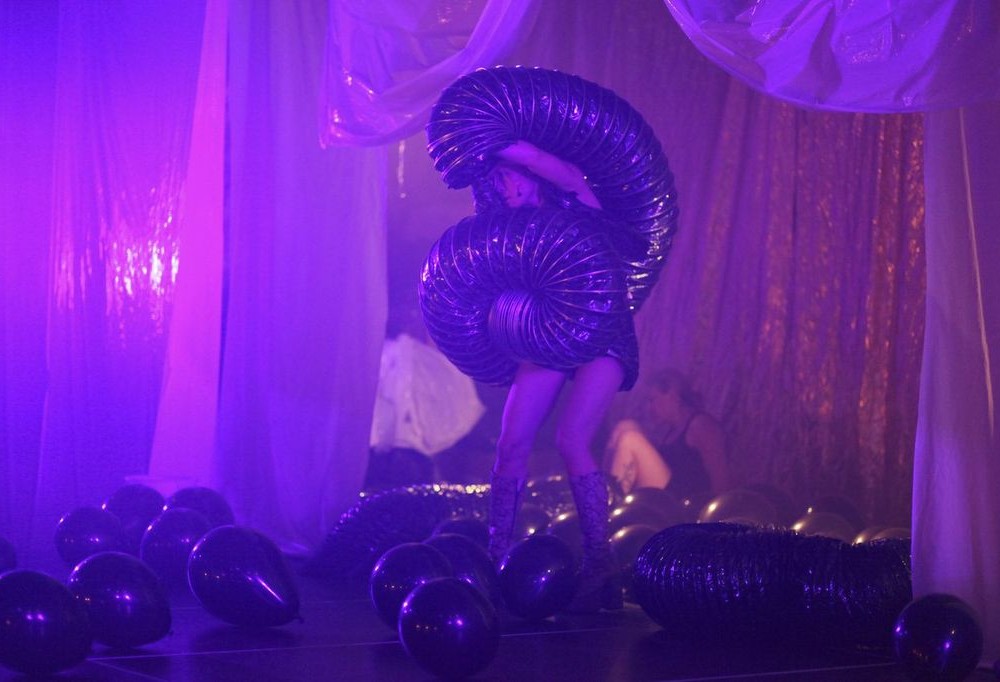


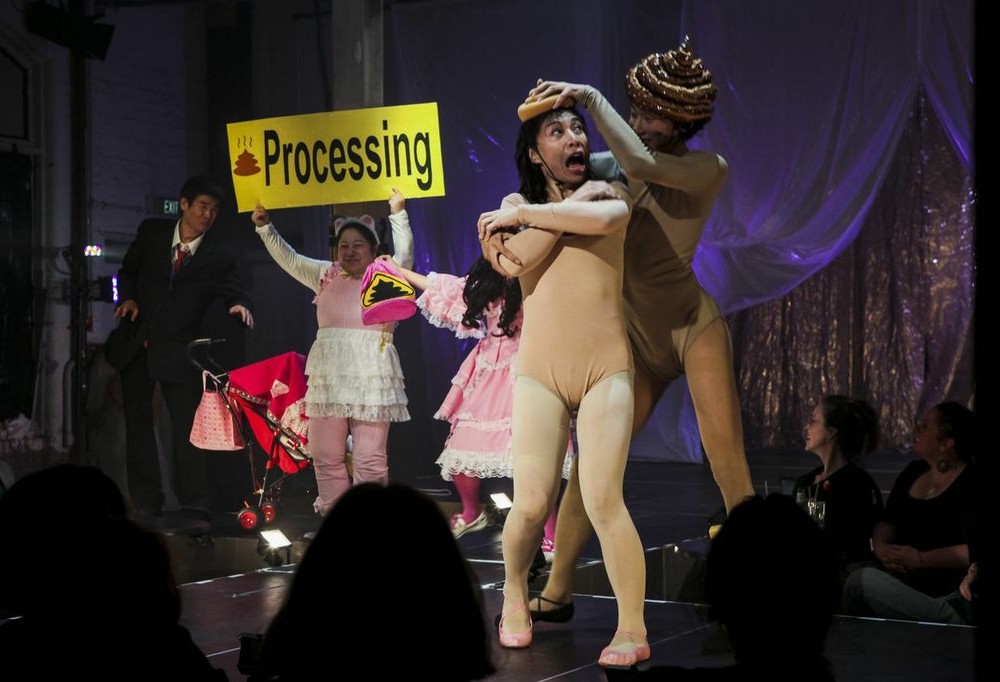


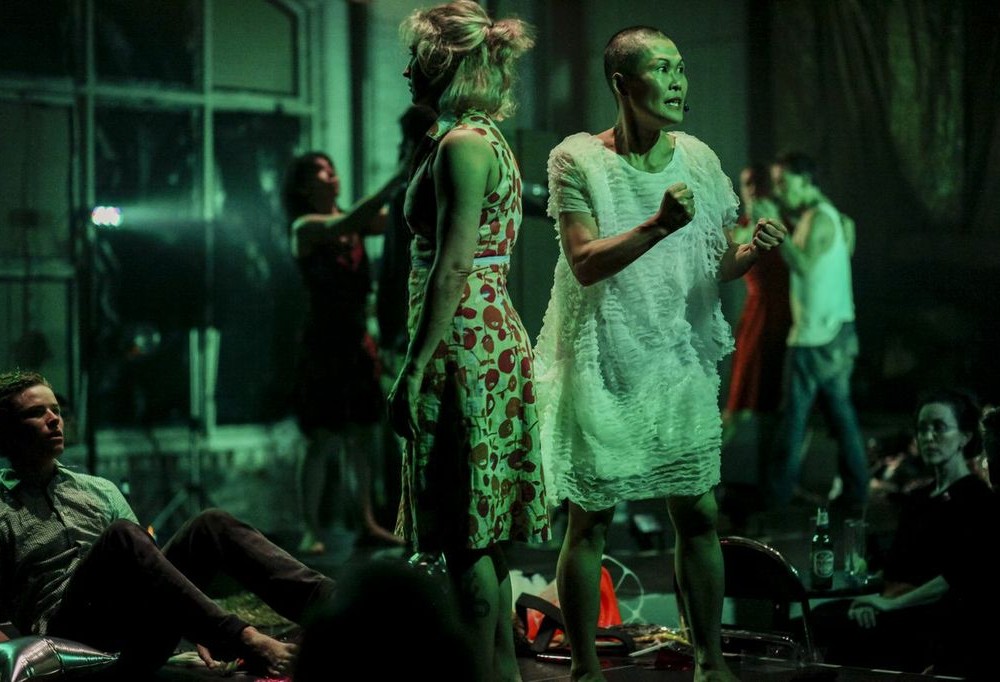

DasSHOKU SHAKE! Butoh Cabaret
The award-winning DasSHOKU Butoh Cabaret series that has been recognised by audiences in sell-out seasons around the world since 1999. The show gained rave responses from audiences and critically acclaimed reviews, receiving Green Room Awards for INNOVATION in cabaret category, and the Fringe Award – Innovation in Culturally Diverse Practice.
A Japanese Australian Butoh Cabaret Extravaganza
DasSHOKU SHAKE! is the fourth work in the award-winning DasSHOKU Butoh Cabaret series which has been recognised by audiences in sell-out seasons around the world since 1999. The show gained rave responses from audiences and critically acclaimed reviews, receiving Green Room Awards for INNOVATION in cabaret category, and the Fringe Award – Innovation in Culturally Diverse Practice.
REVIEWS FROM THE SEASON PREMIERE
“…this is a visually and conceptually rich work that is much more rewarding than the Cremaster Cycle.. Umiumare gives our city an extraordinary, hilarious and actually beautiful gift. Expect outsize babies in Hello Kitty nappies, singing faeces and dancing fast food. Expect also to be a little confused as to why this work is not a central feature of the Melbourne Festival.” The Age
“transgressive imagery, abstract movement, stunning costumes, loud music and uncomfortable imagery that trigger both dread and laughter.” Herald Sun
.”..potent with the urgency for us all to create space for quiet reflection within our chaotic existence.” The Peril Magazine
CREDIT FROM THE ORIGINAL SEASON PERFORMERS
AUSTRALIA
Yumi Umiumare, Matt Crosby, Helen Smith, Willow J, Harrison Hall
THEATRE GUMBO
Kayo Tamura,Kenichi Mabuchi,Ryo Nishihara, Nono Miyasaka
FROM OSAKA
Hiromitsu Oishi, Chizuru Misaki (intere-P),Tomomi Nakayama(joli ma coeur),AYA (Osaka Shinsengumi)
PRODUCTION
Co-Director Yumi Umiumare & Kayo Tamura
Dramaturgy Matt Crosby
Set Design Ellen Strasser
Sound Design Dan West
Costume Design Kiki Ando and Theatre GUMBO
Lighting Design Tom Willis
Photo & Design Vikk Shayen
Photo Masami Kikuchi (Japan)
(original write up)
Be ready to get lost in this funky cross cultural emo shake up! DasSHOKU SHAKE! is the fourth work in the award winning DasSHOKU repertoire – the unique culture-crushing dementia, which has been recognized by audiences in sell-out seasons nationally and internationally since 1999. Dasshoku means ‘to bleach’.
Butoh Punkess Yumi Umiumare ignites her next infamous DasSHOKU Cabaret, bursting from the shaking earth. Osaka’s legendary Theatre Gumbo, international guest artists from Japan plus four of Melbourne’s shock-toy acolytes bring things of darkness out into footlights. Jap-pop and white mysticism assault Buddhist Heart sutra! Comic! Bizarre!
Does devastation transform us, cleanse us or bleach us?
PERFORMANCE HISTORY
2015Mildura wentworth arts festival
2014Japan Tour- Tokyo and Osaka, and workshop in Minani Sanriku
2013Darwin Festival
2012Melbourne Premire season at fortyfivedownstairs, Melbourne Fringe Festival, winning Fringe Award and Green Room Award
TECHNICAL SPECIFICATIONS
Please click here for technical specification and download the document
Photo by Vikk Shayen
3 Minute Video Highlights
DasSHOKU SHAKE! Short Clip from Fundraising Event 2014
DasSHOKU SHAKE! Aftershocks

DasSHOKU Hora!!
DasSHOKU suru is a Japanese term meaning to bleach, to strip off colour. Hora! in Japanese means Look Out! In DasSHOKU Hora!!, the third in the DasSHOKU series, Yumi and the DasSHOKU team strip back the candy-coloured surface of Japanese culture and tickle its hoary underbelly.
DasSHOKU suru is a Japanese term meaning to bleach, to strip off colour. Hora! in Japanese means Look Out! In DasSHOKU Hora!!, the third in the DasSHOKU series, Yumi and the DasSHOKU team strip back the candy-coloured surface of Japanese culture and tickle its hoary underbelly.
Yamamba, an ancient mountain hag who cannibalises those who stray too close, gives birth to twins the scientist and the businessman. Together they exploit a shallow world hooked on instant gratification and collective denial of the dark within.Yamamba mutates into Ganguro girl, the blonde, tanned Japanese icon of Shibuya subculture. At dawn she arises from her nocturnal trance dance to become Muijina, the kimono girl with no face. Then, pretty in pink as Hello Kitty! girl in the enjokosai ‘rescue relationship’ lounge she sells her panties to wrinkled lovers.
Creator / Performer Yumi Umiumare
Co-Creator/Performer Matt Crosby and Ben Roogan
Dramaturg Moira Finucane & Jackie Smith
Set Design Mary Moore
Costume Design ESS HOSHIKA LABORATORY
Sound Design Tatsuyoshi Kawabata
Lighting Design Dori Bicchierai
PERFORMANCE HISTORY
2006 May – June – Season at The Studio @ Sydney Opera House
2006 February – 2005 Green Room nomination
2005 November – World Premiere @ the Tower Theatre, Malthouse, Melbourne
TECHNICAL SPECIFICATIONS
Please click here for technical specification and download the document


REVIEWS
“Wild extremes in fearless performance shock, fascinate”
THE AGE
“It is a bizarre mixture of butoh, grotesquerie and highly physical acting..”
Herald Sun
“.. Frenzied and stimulating, DasSHOKU Hora!! is at times both comic and confronting, but always compelling.”
Melbourne Stage on line
“Watching Umiumare dance butoh is like watching a stainless steel mannequin ram a knife into a toaster.”
Vibewire on line
Online Reviews/Previews
“Butoh’s difficult, non-naturalistic exploration of extremely physical emotionality is put into relief through the inventive and playful ironies of the cabaret tradition, and in the instance of DasSHOKU Hora!, the result is both frightening and energising.”
RealTime 71 February / March 06
“Umiumare is a thrilling and compelling performer”
melbournestage.com.au
“Cultural anthropology with sound production you can feel in your belly and visuals that will never leave you.”
vibewire.net
“Which way reality from here?”
theage.com.au
“a sight for the wicked”
theprogram.net.au
“Crazy crazy nights”
Atmosphere Harmonics for Lone Voice

Tokyo DasSHOKU Girl
Tokyo DasSHOKU Girl touches on the shadowy life of Japan which many would never encounter. DasSHOKU (to bleach) strips off the colour of the superficial to reveal the reality behind the happy face of consumerism, bleaching away the commonly held views of Japanese women as kawai, or cute, polite and submissive.
Tokyo DasSHOKU Girl touches on the shadowy life of Japan which many would never encounter. DasSHOKU (to bleach) strips off the colour of the superficial to reveal the reality behind the happy face of consumerism, bleaching away the commonly held views of Japanese women as kawai, or cute, polite and submissive. In Tokyo DasSHOKU Girl Yumi pays homage to the roots of Butoh as an anarchic dangerous and at the same time beautiful dance form.
Choreography and Directed by Yumi Umiunare
Collaboration with Matt Crosby and Ben Rogan
Music Mixed by Tatsuyoshi Kawabata
Costume by Hoshika Oshimi and Yumi Umiumare
Lighting Design/ Operation by Dori Dragon Bicchierai
PERFORMANCE HISTORY
March 2004 – National Multicultural Festival, Canberra
July-August 2003 – Kultour, Fremantle, Adelaide, Tasmania, Lismore (funded by the Australia Council)
May 2001 – Adelaide Cabaret Festival
February 2000 – Gasworks (return Season)
October 1999 – Czech House, Melbourne Fringe Festival
1995 – Melbourne
REVIEW
“….Umiumare’s inventiveness and physical discipline were in evidence in the way she could almost redesign her physique to embody her different characters.”.
THE AGE 1999 (Hilary Crampton)
“….Tokyo DasSHOKU Girl is a tequila slammer – it is a shocking, sprawling, comedic assult of a cabaret. Umiumare and off-siders Ben Rogan and Matt Crosby unearth some of Japan’s most extreme culture, from cults and the vending of school-girls’ panties to karaoke. ….(it) is daring and exceedingly entertaining.”.
THE AGE 2000 (Fiona Scott-Norman)







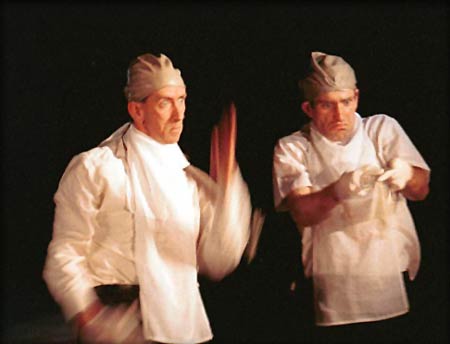

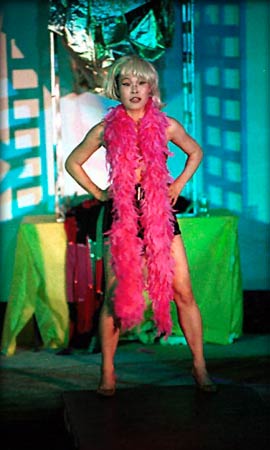


DasSHOKU Cultivation!!
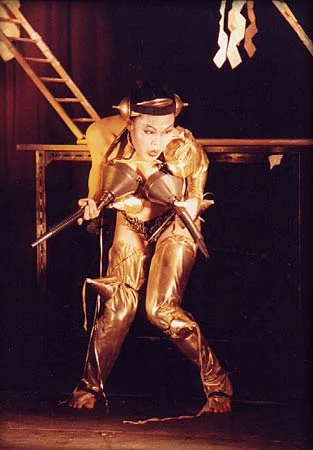
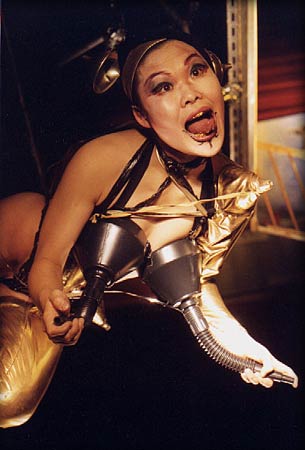
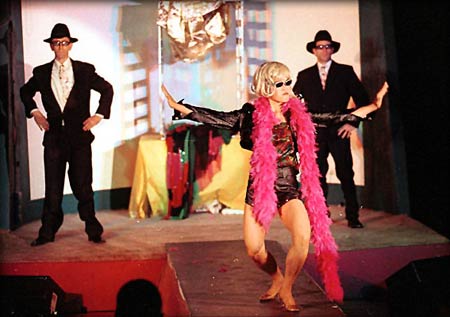
Dancing between two contrasting cultures (Osaka and Melbourne), Umiumare tactically manipulated two languages and smoothly proceeded with the whole show. The balance of the contexts and the sense of timing in each scene change was incredible.
Performers
Performers (from Australia)
Matt Crosby
Yumi Umiumare
(from Japan – Theatre GUMBO)
Kayo Tamura Kenichi Mabuchi Yuko Nishimura Seiichi Oda
In Collaboration with Theatre Gumbo & Matt Crosby Osaka, Japan (Arts Victoria Cultural Exchange program)
DasSHOKU Cultivation!!
PERFORMANCE HISTORY
2003 July Sun Hall Osaka
Reviews
脱・SHOKU・色 カルチベーション!!
批評
Umiumare は、この相対する地域文化の間で身を翻しつつ、ふたつの言語を操りながら巧みに作品を進行していった。諸要素のバランスと場面を切り替えるタイミング、観客を作品世界に巻き込む戦略はすばらしく、客席も大いに盛り上がった。
…. 脱色」プロジェクトは、 Yumi Umiumare の活動と移動にともない改訂されていくだろう。その改訂版の一つが大阪で制作・上演されたことの意義は、実は少なくない。
カルチャーポケット vol 25 カルチャーポケット 2003 年月
“.Dancing between two contrasting cultures (Osaka and Melbourne), Umiumare tactically manipulated two languages and smoothly proceeded with the whole show. The balance of the contexts and the sense of timing in each scene change was incredible. Her strategy to include the audiences was great and I could sense the audience being extremely livened up.
…DasSHOKU Project would evolve with Yumi Umiumare’s activities and movement. It is very significant event to have this DasSHOKU Project produced and performed in Osaka.”
Culture Pocket vol 25 Naoko Kogo Oct 2003